
The Bystander
Assumes strong relationships need charisma and luck. Most of theirs came from chance meetings, so they expect the rest to arrive the same way.
Engages in none of the six phases
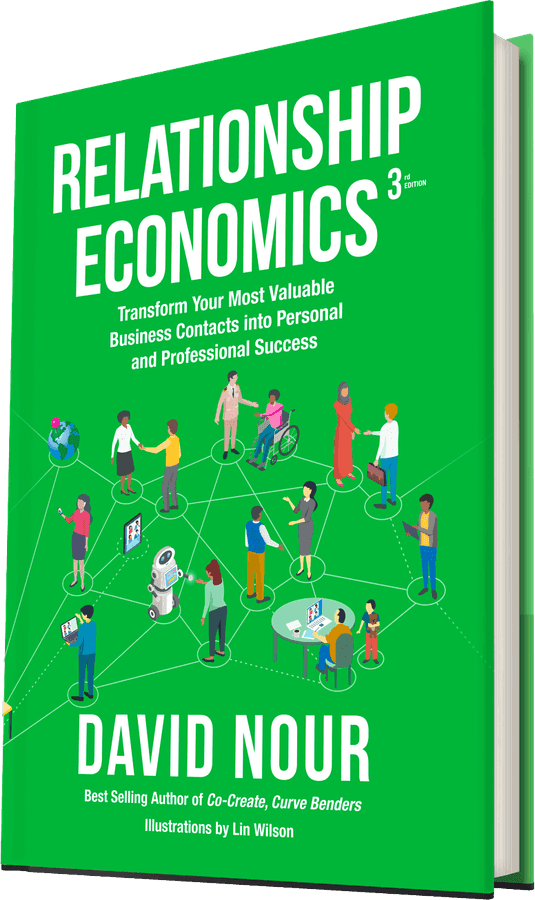
Wiley · Third Edition
Treat relationships as a portfolio you invest in on purpose, then measure what that investment returns.
3rd edition · Wiley · ISBN 1119855896
The problem
Most professionals were never taught how to build a business relationship. It is assumed to be a life skill picked up along the way, so relationships get initiated by coincidence and sorted by context. We let them develop without much thought and then credit the results to luck.
The framework
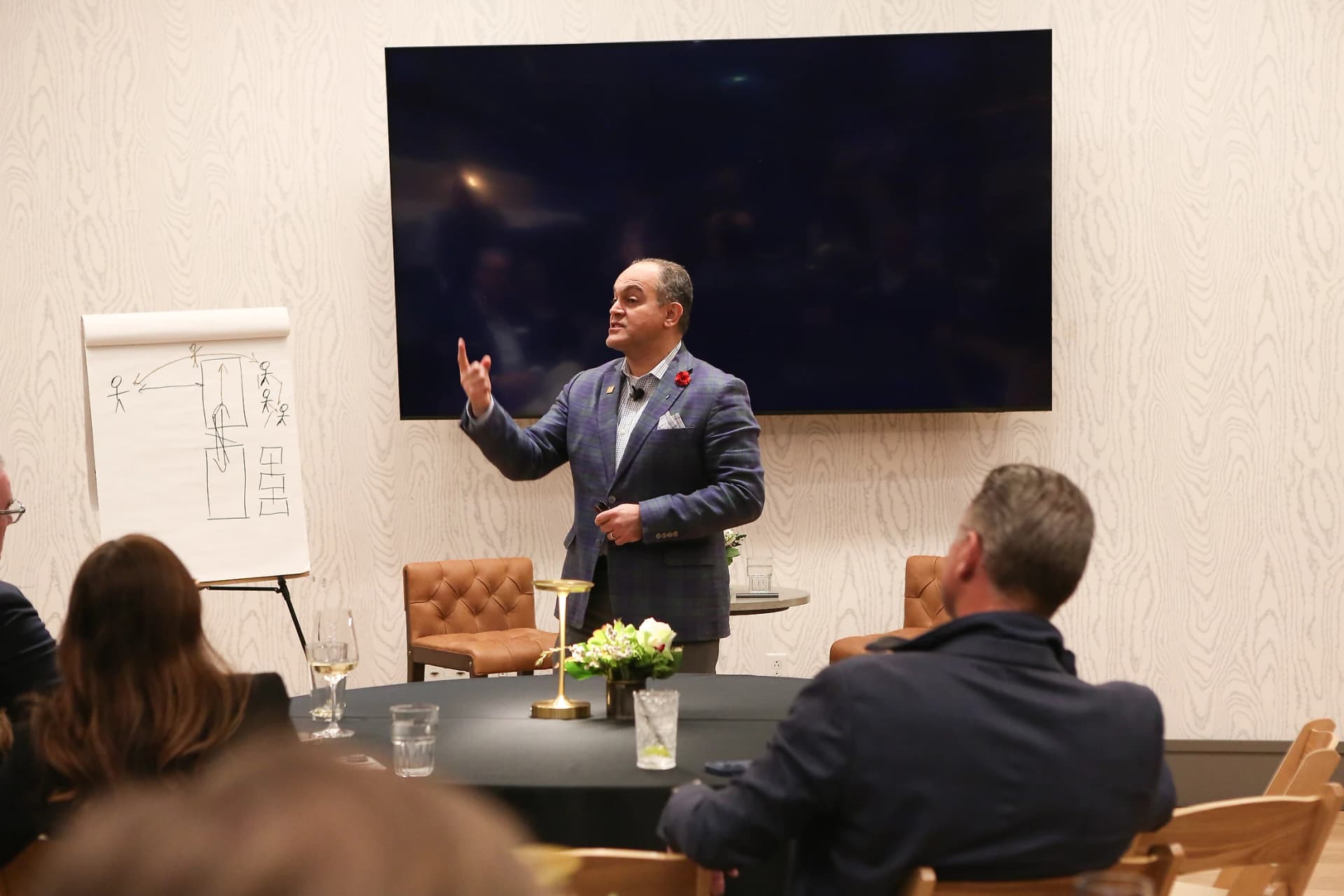
Choose relationships selectively, invest in them continuously, then capitalize by making proportionate and relevant requests. This model sits at the heart of Relationship Economics®.
Identify which relationships a goal actually depends on, before the work starts.
Establish credibility and genuine common ground rather than transactional contact.
Invest consistently, so the relationship is not built at the moment you need it.
Make asks that are proportionate to the relationship and relevant to both sides.
Maintain the relationship past the immediate outcome that prompted it.
Convert relationship investment into results you can point to and measure.
Nour names three archetypes you meet inside the six phases. Most professionals are one of them, and the tell is usually which phase they never leave.
Assumes strong relationships need charisma and luck. Most of theirs came from chance meetings, so they expect the rest to arrive the same way.
Engages in none of the six phases
Senses that relationships change outcomes but does not know where to start, so they collect acquaintances and business cards and hope the activity pays off.
Spends almost all their time in Relating
Wants a nobler version of the same thing. Put off by anyone who works their network or tries to measure it, so they never build the discipline.
Rejects the phases rather than navigating them
The author
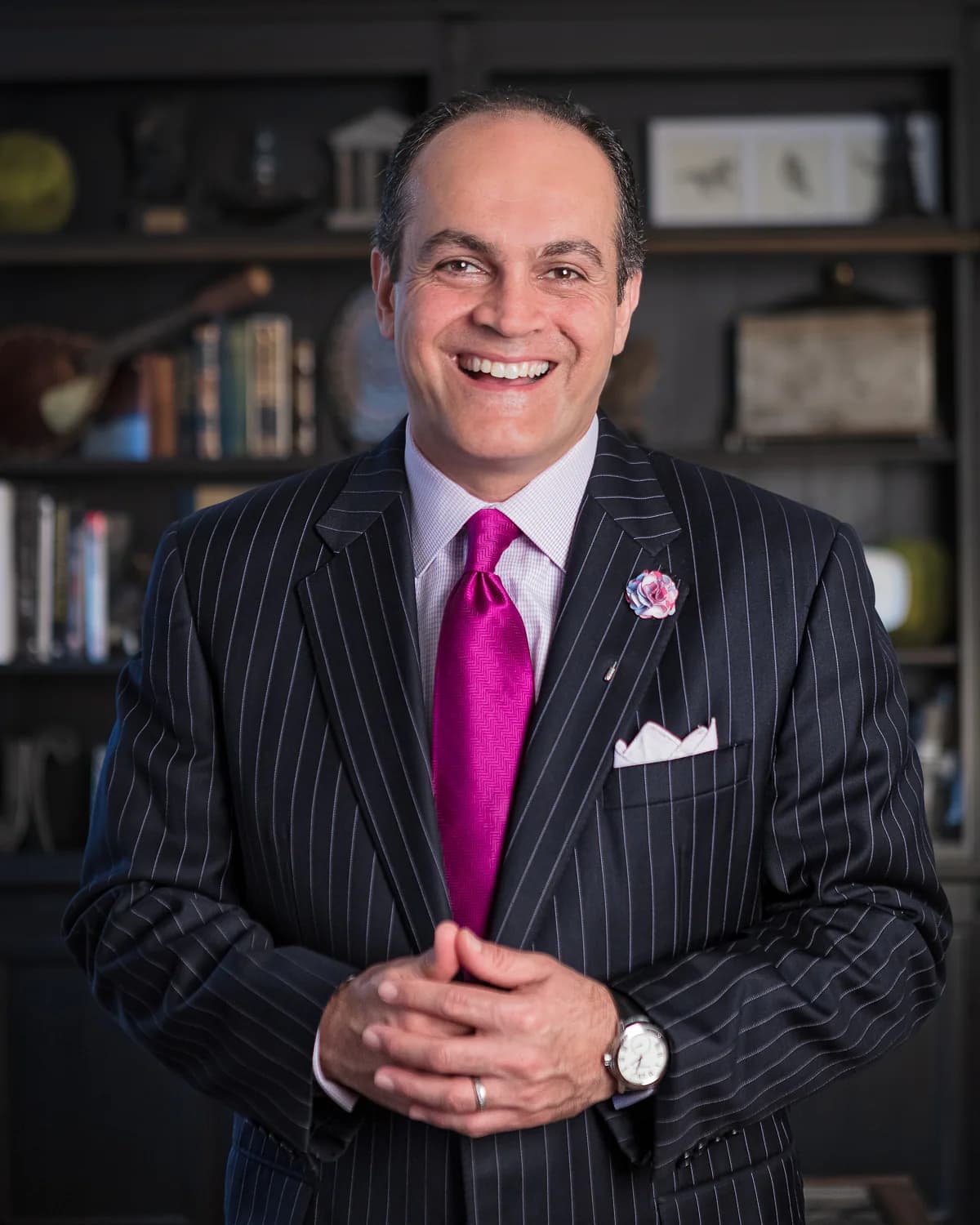
Nour arrived in the United States as a teenager with a hundred dollars, no network, and barely a word of English. Relationships were the only asset he had, so he learned to build them on purpose. That work became Relationship Economics®, and the Fortune 500 boards and revenue leaders he advises around the world.
Free assessment
A short self-assessment scored against the six phases. You will see which phase you are strongest in, which one is costing you, and what to do about it next.
Five scenarios from the book, scored against the six phases. About three minutes, and no email required.
Take the assessment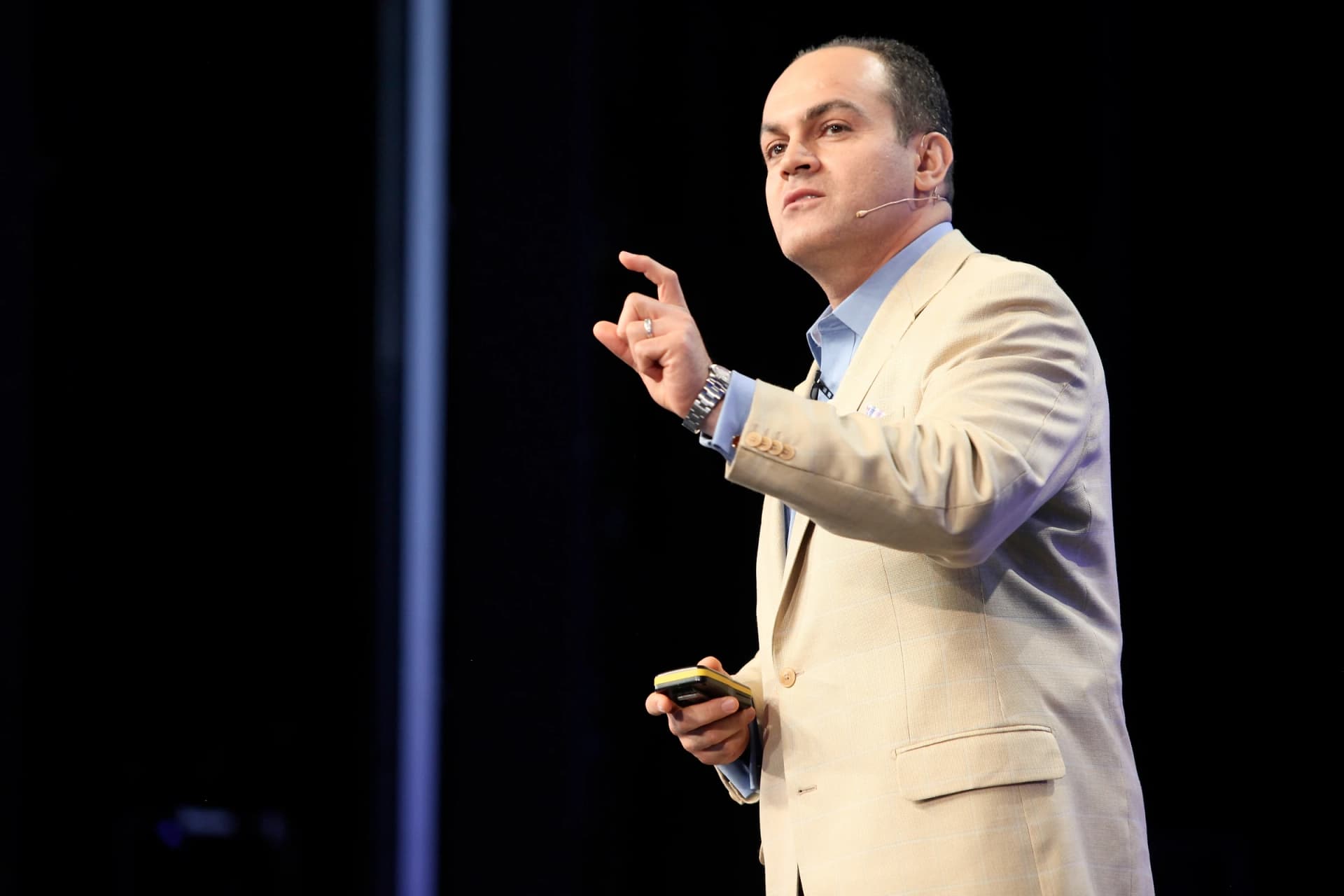
The framework delivered to your room, shaped around the decisions your leaders face next.
Explore speaking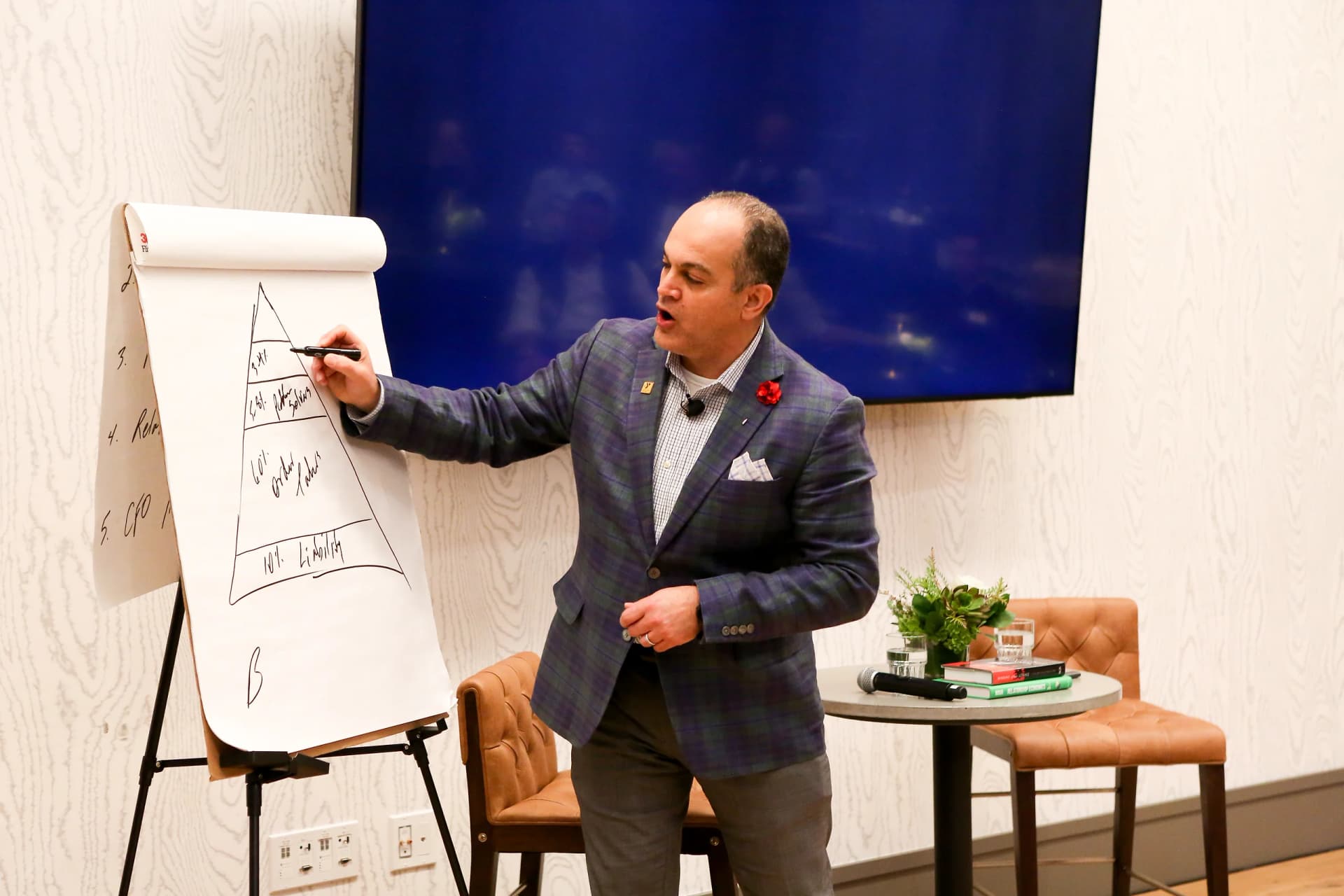
Multi-session programs that turn the six phases into a discipline a leadership team runs together.
Explore programs












Free self-assessment
Five scenarios from the book. About three minutes, no email required, and every answer comes back with the principle behind it.
1 / 5
0 answered
Start with the mandate
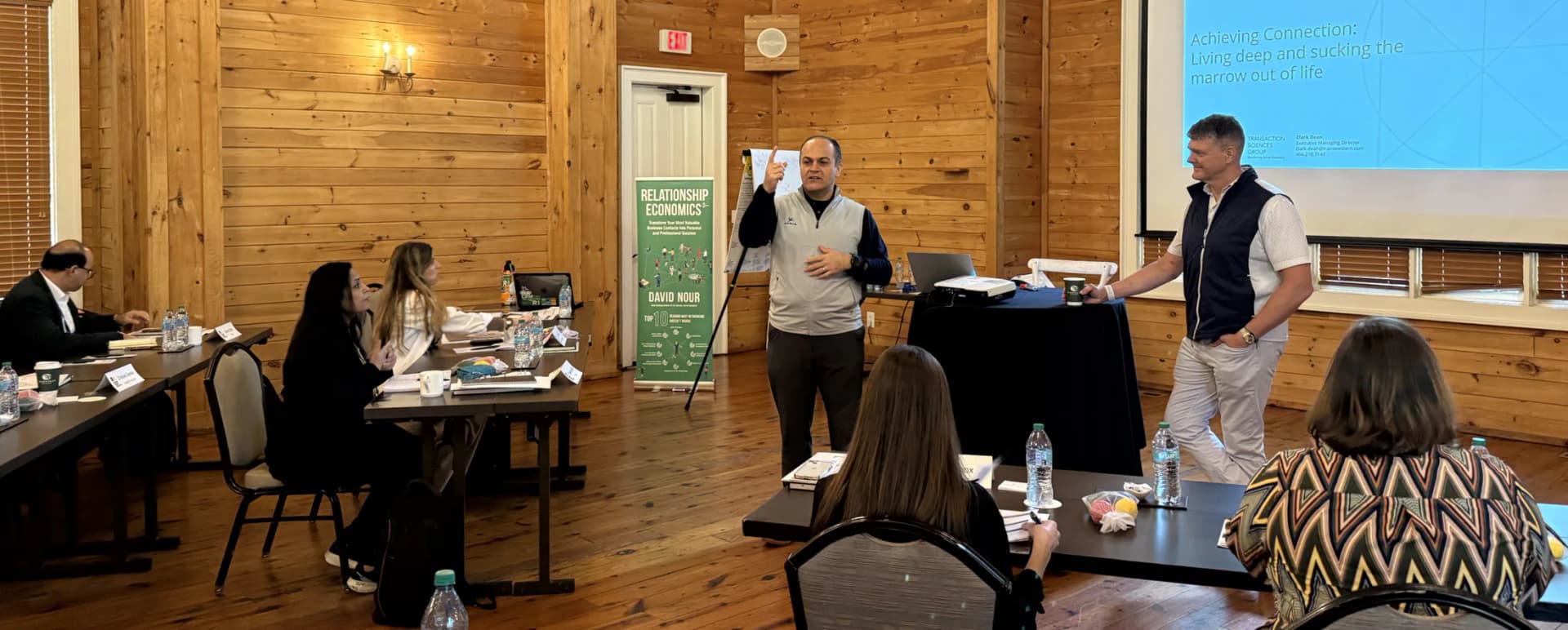
The frameworks in Nour's books are the backbone of his keynotes. Tell him about your event to start.
Practical ideas on relationships as measurable capital, the frameworks leaders are using, and what to do about the shifts reshaping how we work. No noise.