
Transactional
A short-term exchange with nothing invested past the trade. It improves a result, defends the status quo, and produces growth in a straight line.
Ends when the exchange does
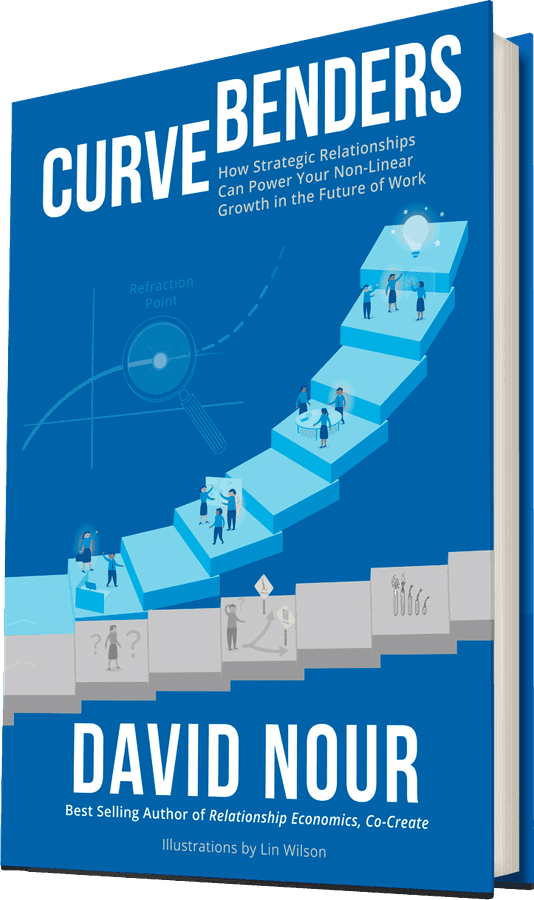
Wiley · Illustrations by Lin Wilson
A handful of relationships will change your direction more than a decade of effort will.
Wiley · ISBN 1119764211
The problem
For most of a career, change was slow and iterative, and everyone assumed it was Darwinian. That is no longer the shape of it. Industries now reinvent themselves radically, and a professional journey runs as a series of curves rather than a climb.
The framework
Not a mentor, not a coach, and not a bigger network. A small number of relationships that change your direction rather than your performance.
You may meet only a handful in an entire career. They are not a category you can recruit for.
A coach or a mentor sometimes. Just as often someone with no obvious reason to help you at all.
They change where you are going, not how fast you are going. That is the whole distinction.
Marilyn Monroe spent her own standing to get Ella Fitzgerald booked. The real ones spend something.
The question the book builds toward is not who yours are. It is whose you are.
Some relationships point you the other way. Nour calls those Fender Benders, and few people ever audit for them.
The book turns on this distinction. Both are relationships, and only one of them changes where you end up.
A short-term exchange with nothing invested past the trade. It improves a result, defends the status quo, and produces growth in a straight line.
Ends when the exchange does
Continual, collaborative, and pointed at a longer horizon. It challenges the status quo instead of defending it, and the growth it produces is not proportional to the effort put in.
Changes the direction, not the pace

The author
Nour advises Fortune 500 boards and leadership teams on the relationships their growth depends on. Curve Benders came out of a question he kept meeting in those rooms: which relationships actually changed the trajectory of a career, and why so few of them did.
Free self-assessment
Six questions from the book on what separates a relationship that changes your direction from one that simply improves your week.

Six questions on the ideas the book is built from. Three minutes, and nothing to fill in first.
Take the assessment
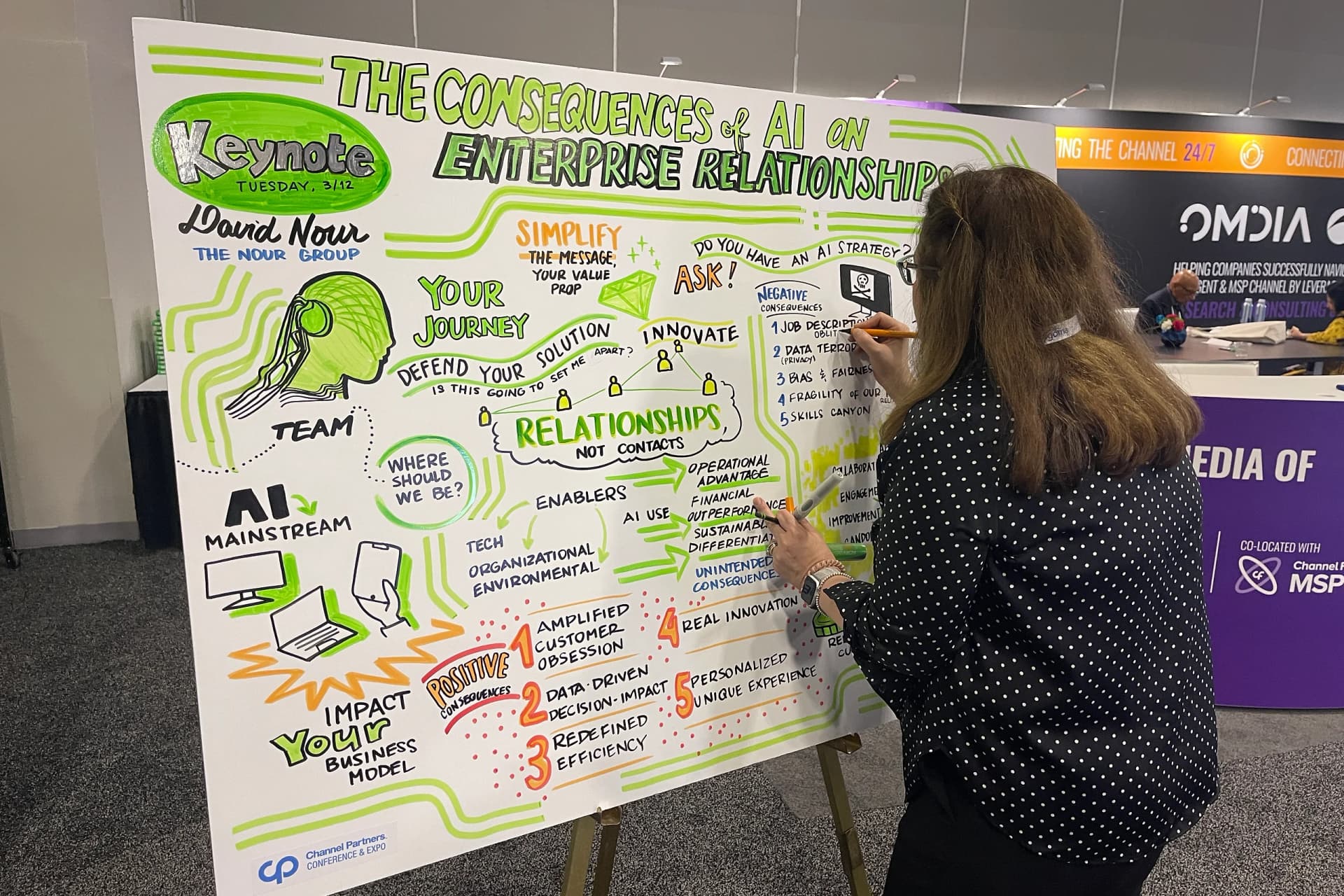
Nour Strategy Visualization turns the plan into one shared visual a room can agree on, remember, and act from.
See the workNour works with leadership teams on the go-to-market relationships their growth actually depends on.
Explore advisory












Free self-assessment
Six questions from the book. About three minutes, no email required, and every answer comes back with the idea behind it.
1 / 6
0 answered
Start with the mandate
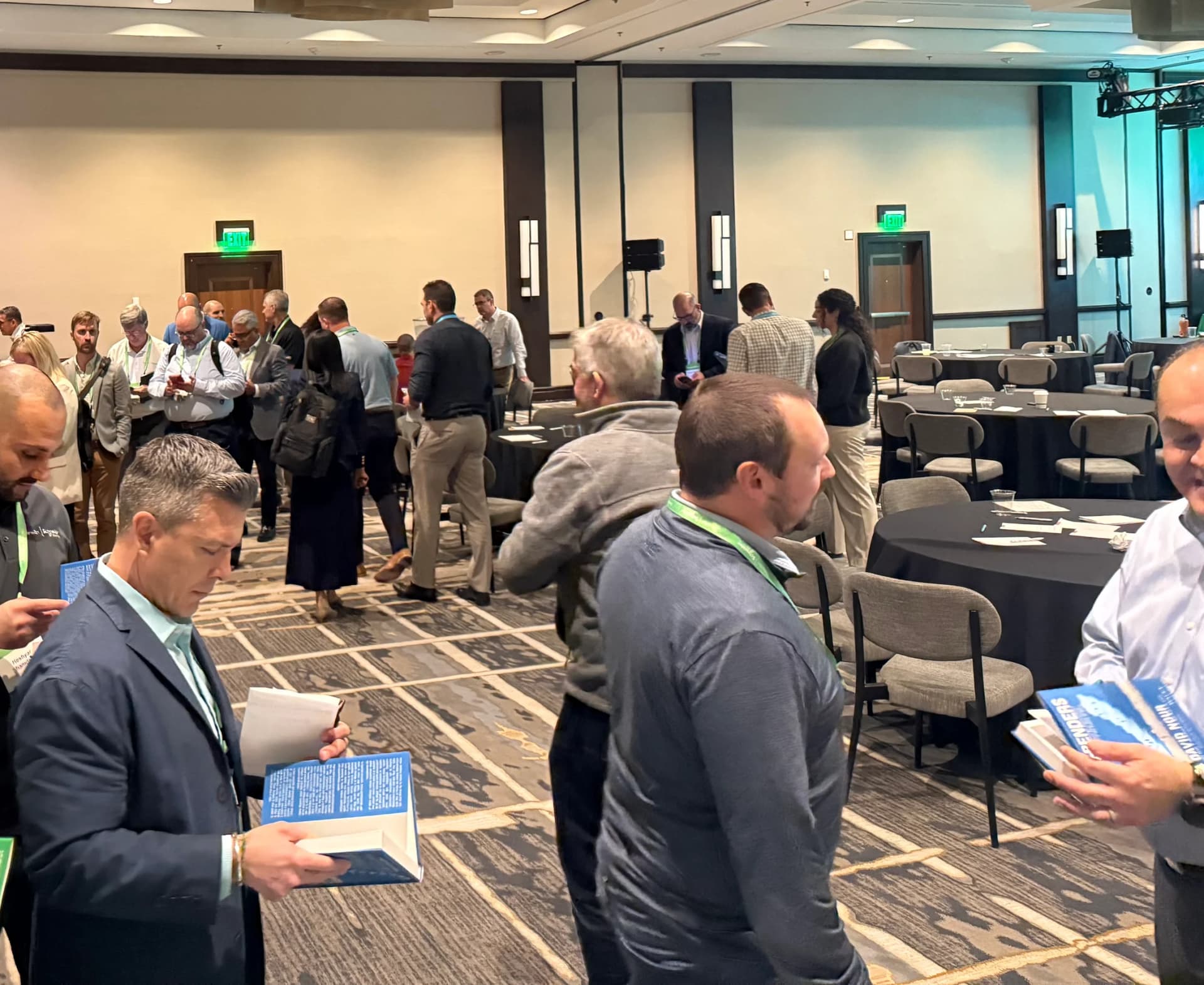
The frameworks in Nour's books are the backbone of his keynotes. Tell him about your event to start.
Practical ideas on relationships as measurable capital, the frameworks leaders are using, and what to do about the shifts reshaping how we work. No noise.